How UK Crypto Casinos Are Reshaping Responsible Gambling Standards in 2026

I've spent the better part of this year tracking how the UK gambling scene has quietly shifted under the weight of blockchain technology. What started as a niche curiosity a few years back has now become impossible to ignore—crypto casinos are no longer fringe operations tucked away on obscure forums. They're competing head-to-head with established licensed platforms, and that competition is forcing a genuine rethink of what responsible gambling actually looks like when Bitcoin, Ethereum, and stablecoins replace traditional card payments.
The Rise of Crypto Casinos in the UK's Gambling Landscape
Walk through any UK-focused gambling forum in 2026 and you'll notice the conversation has changed dramatically. Players aren't just asking 'is this site legit' anymore—they're comparing withdrawal speeds, smart contract audits, and wallet integration options. Blockchain-based platforms have carved out a substantial slice of the market, and honestly, the growth trajectory doesn't surprise me given how frustrated many UK bettors had become with slow withdrawal times and rigid banking restrictions on traditional sites.
Why Players Are Turning to Blockchain-Based Platforms
Speed is probably the biggest draw I hear about from readers. Crypto transactions settle in minutes rather than the three-to-five business days typical of card withdrawals from conventional operators. There's also the anonymity factor—though I'd argue this is more nuanced than people assume, since most reputable platforms still require KYC verification to comply with UK anti-money laundering rules. Lower fees matter too, particularly for higher-stakes players who've grown tired of watching percentage cuts eat into their winnings. But here's the thing: UK players bring expectations shaped by years of Gambling Commission oversight. They expect deposit limits, self-exclusion schemes, and clear terms—standards that crypto platforms are now scrambling to replicate in a decentralized environment.
What Sets Crypto Casinos Apart from Traditional Online Gambling
The technical architecture underneath these platforms is genuinely different from anything the Gambling Commission originally designed its frameworks around. Smart contracts automate payouts without human intervention, decentralized wallets remove the middleman entirely, and the whole system operates on logic that traditional regulators are still learning to audit properly.
Provably Fair Technology and Player Trust
This is where things get genuinely interesting from a player protection standpoint. Provably fair systems let you verify—mathematically, not just by trusting a certificate—that a game outcome wasn't manipulated. You get a cryptographic hash before you play, and afterward you can check it against the seed used to generate results. It's a fundamentally different trust model compared to the periodic RNG audits traditional casinos rely on. I've spoken with a few operators who believe this transparency actually reduces disputes because players can independently confirm fairness rather than taking a regulator's word for it.
Emerging Responsible Gambling Standards for Crypto Platforms
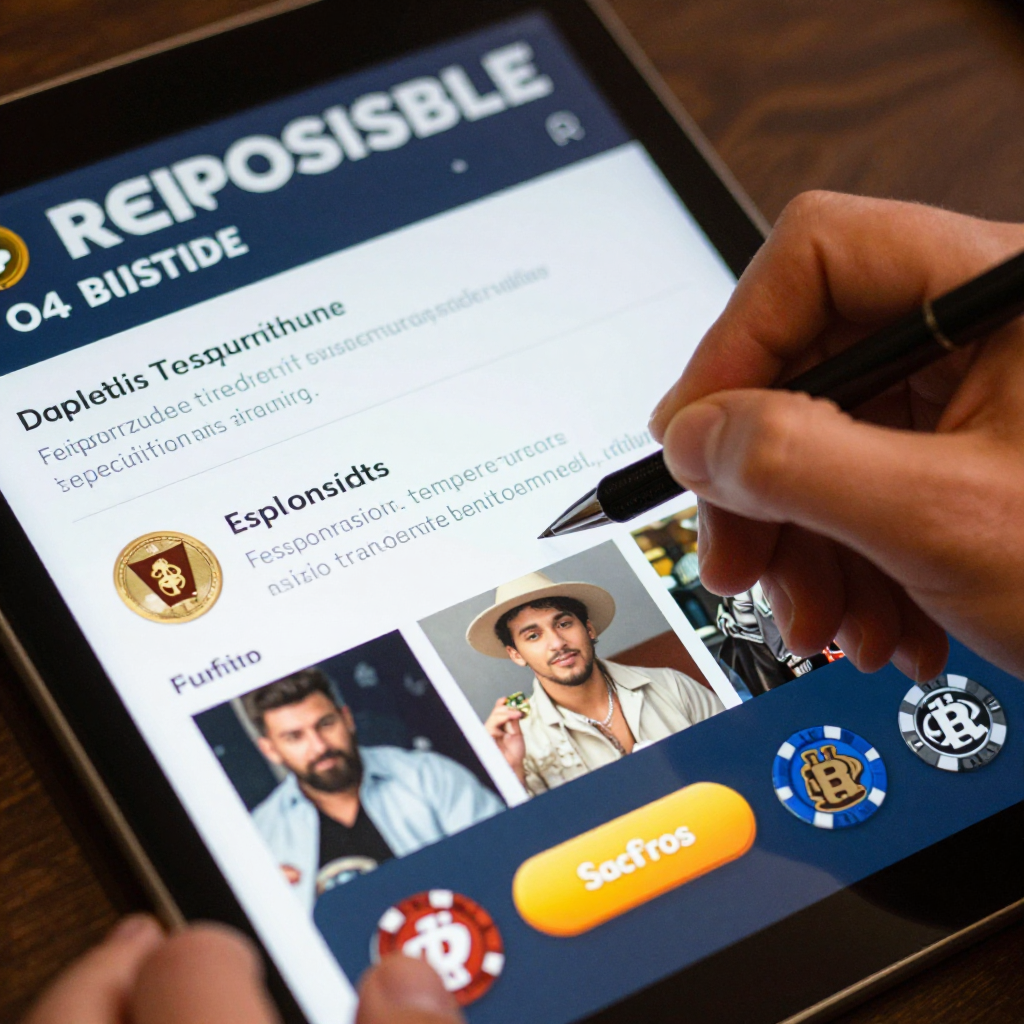
Adapting deposit limits and reality checks to cryptocurrency has proven trickier than most people expected. When currency values fluctuate hourly, a £50 deposit limit becomes a moving target if it's denominated in a volatile token. Operators are experimenting with fiat-pegged stablecoins specifically to make these protections more meaningful. Research coming out of academic projects examining responsible gaming frameworks has been particularly useful here—the ongoing work referenced by crypto casinos research initiatives has highlighted how player protection measures need fundamental redesigning rather than simple retrofitting when payment rails shift from banks to blockchains. It's not just about copying old rules into new systems; it's about rethinking what protection even means when transactions are irreversible and pseudonymous by design.
Adapting Self-Exclusion Tools for Decentralized Wallets
Self-exclusion has always relied on operators recognizing a flagged account and blocking it. But what happens when a player simply creates a new wallet address? This is arguably the thorniest technical challenge crypto casinos face right now. Some operators are experimenting with device fingerprinting combined with wallet clustering analysis to spot patterns even across supposedly 'fresh' accounts. Others are pushing for industry-wide shared exclusion databases, similar to GAMSTOP but built for blockchain identifiers. Progress is slow, and I won't pretend the problem is solved—but the innovation happening here in 2026 is more serious than the token gestures we saw a couple of years ago.
Regulatory Initiatives Shaping the UK Crypto Gambling Sector
The UK Gambling Commission hasn't been sitting idle. Recent consultations have specifically addressed how digital assets fit within existing licensing frameworks, and there's growing pressure from consumer advocacy groups to close gaps that unlicensed offshore platforms have historically exploited.
The UK Gambling Commission's Evolving Stance on Digital Assets
Draft guidance circulating this year suggests the Commission is leaning toward treating cryptocurrency transactions with the same scrutiny as traditional payment methods, rather than carving out special exemptions. Source of funds checks, enhanced due diligence for larger crypto deposits, and clearer rules around stablecoin usage all seem to be on the table. I suspect we'll see formalized guidance within the next year or two, particularly as international bodies like the EU push their own frameworks forward and the UK doesn't want to fall behind on consumer protection standards.
Transparency Measures That Build Player Confidence
One thing blockchain does genuinely well is create permanent, publicly verifiable records. Every transaction lives on a ledger anyone can inspect. Forward-thinking operators are leveraging this by publishing audit trails that let players trace exactly how a payout was calculated and disbursed. This kind of transparency is difficult to fake and even harder to dispute, which makes it a powerful anti-fraud tool—assuming the underlying platform is legitimate in the first place.
Common Pitfalls and Risks Players Should Watch For
Not every platform claiming to be a 'provably fair crypto casino' actually deserves that label. I've seen sites slap the term on their homepage without any verifiable seed system underneath. A few red flags worth remembering:
- Unlicensed operators with no visible UK Gambling Commission registration
- Vague or missing explanations of how 'provably fair' actually works on that specific site
- No clear self-exclusion or deposit limit tools built into the account settings
- Extreme currency volatility risk without any stablecoin deposit option
- Withdrawal terms buried in fine print that contradict marketing promises
My honest advice: treat crypto casino claims with the same skepticism you'd apply to any financial product promising something too good to be true.
The Future of Responsible Gambling in a Crypto-Driven Market
Looking ahead, I think AI-driven behavioral monitoring will play an increasingly central role—systems that flag risky betting patterns in real time, regardless of which wallet or currency is being used. Cross-border regulatory cooperation is also becoming essential, since crypto gambling doesn't respect national boundaries the way traditional licensed operators do. Academic research, including EU-funded studies examining responsible gaming methodologies, will likely continue informing how UK regulators shape policy through the rest of 2026 and into the following years. It's an evolving picture, but one where player protection and technological innovation are finally being discussed in the same conversation rather than treated as opposing forces.